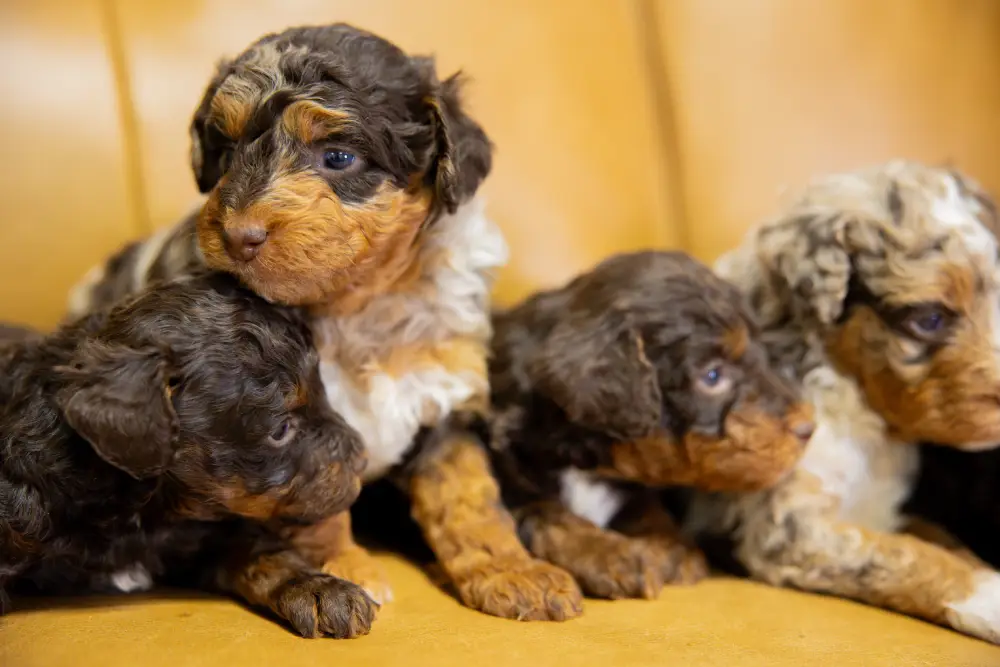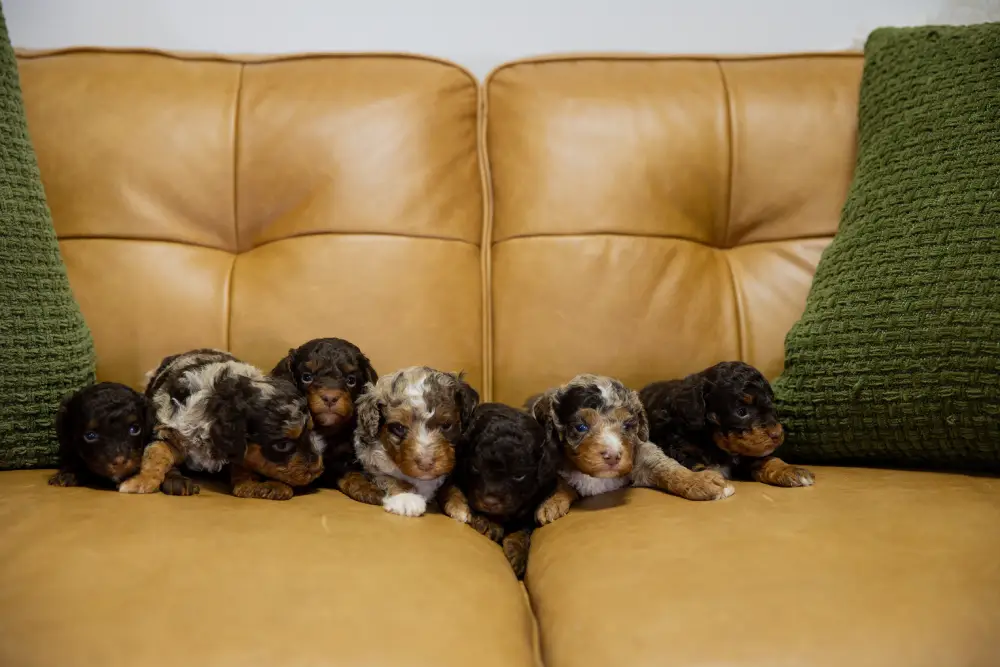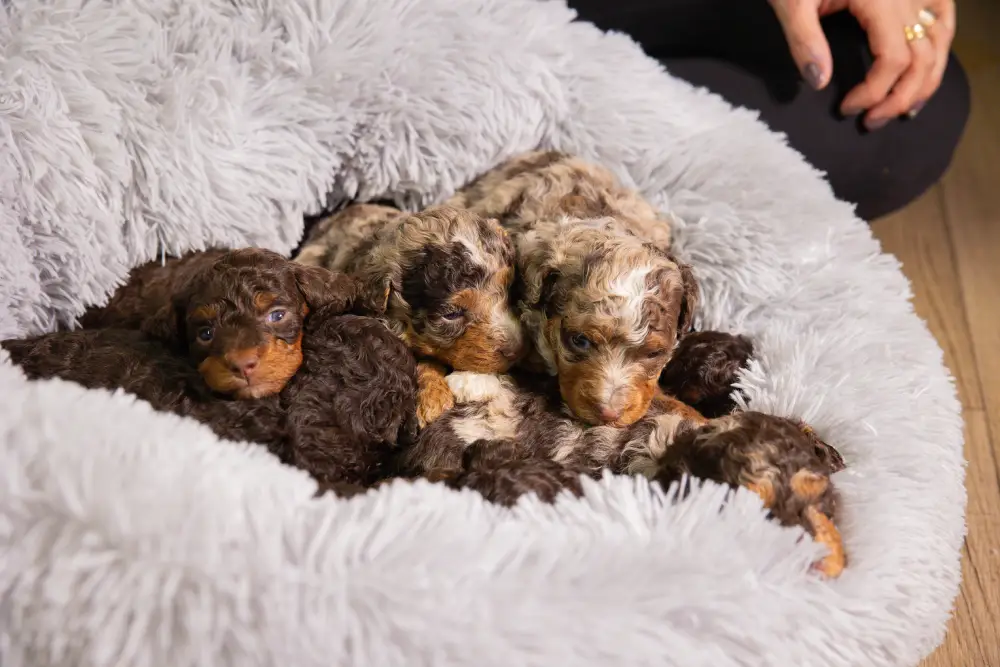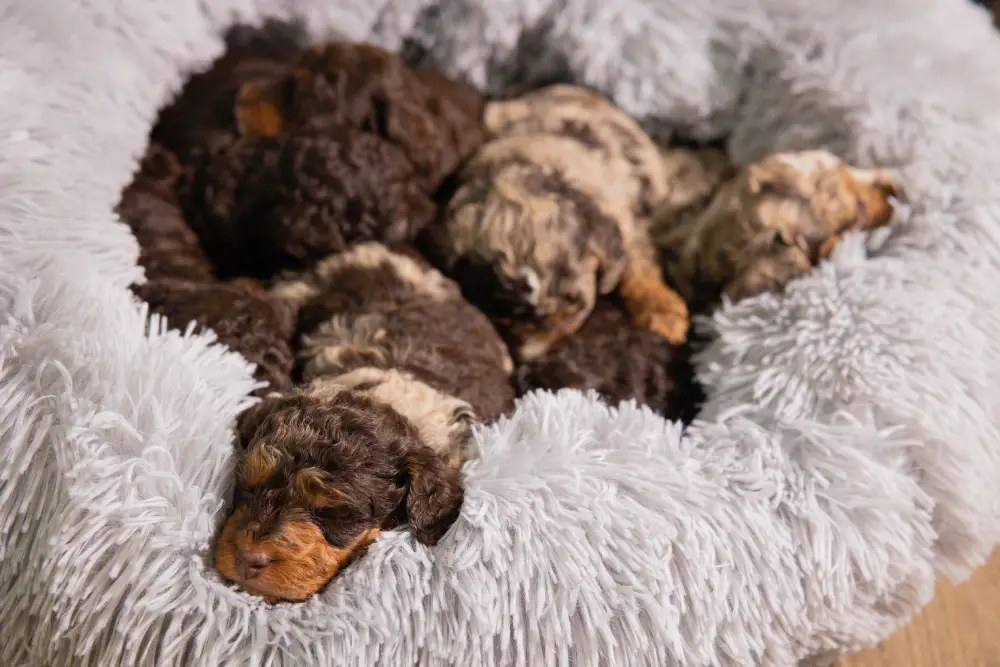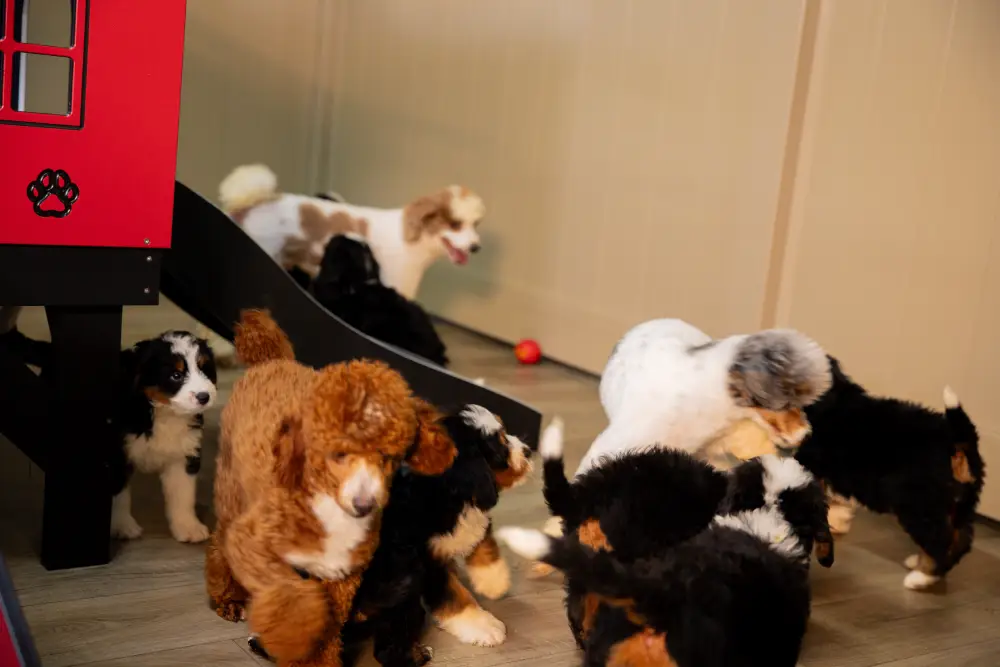
Bernedoodles, the lovable and intelligent cross between Bernese Mountain Dogs and Poodles,
have skyrocketed in popularity over the past two decades. Known for their playful personalities,
low-shedding coats, and adaptability, Bernedoodles have become a favorite among families,
singles, and retirees alike. But how did this charming hybrid breed come to be? The history of
Bernedoodles is a fascinating story that highlights the intentional breeding practices, thoughtful
innovation, and growing demand for companion dogs that excel in both temperament and health.
In this blog, we’ll dive into the history of Bernedoodles, explore their origin story, and discuss
what makes this designer breed so special.
The Rise of Designer Dog Breeds
To understand the history of Bernedoodles, it’s important to look at the broader context of
designer dog breeds. Designer breeds are intentional crosses between two purebred dogs,
combining the best traits of each parent breed. While crossbreeding isn’t new, the intentional
creation of hybrids like the Bernedoodle gained momentum in the late 20th century.
The Labradoodle, a mix between a Labrador Retriever and a Poodle, is widely credited as one of
the first designer breeds to gain significant attention. Its success paved the way for other hybrid
dogs, including Goldendoodles (Golden Retriever and Poodle) and eventually Bernedoodles. The
goal of these designer breeds was to produce dogs that combined desirable traits like
intelligence, hypoallergenic coats, and friendly temperaments.
The Birth of the Bernedoodle
The Bernedoodle’s story begins in the early 2000s, with Sherry Rupke, a Canadian breeder and
owner of SwissRidge Kennels. Rupke is credited with intentionally developing the Bernedoodle
as a distinct hybrid breed. Unlike accidental crossbreeds, the Bernedoodle was carefully planned
to blend the best characteristics of Bernese Mountain Dogs and Poodles.
Why Bernese Mountain Dogs?
Bernese Mountain Dogs, originally from Switzerland, are known for their:
- Gentle and affectionate nature: They are loving and devoted family dogs.
- Calm temperament: Bernese Mountain Dogs are patient and great with children.
- Majestic appearance: Their striking tri-color coats and large size make them iconic.
However, Bernese Mountain Dogs have a relatively short lifespan (6-8 years on average) and are
prone to health issues such as hip dysplasia and cancer. This created a need for a healthier
crossbreed that retained their endearing qualities.
Why Poodles?
Poodles bring several desirable traits to the mix, including:
- High intelligence: Poodles are one of the smartest dog breeds, making them easy to train.
- Hypoallergenic coats: Their curly, low-shedding coats are ideal for people with
allergies. - Longevity: Poodles generally live longer, healthier lives compared to larger breeds.
By combining these two breeds, breeders like Rupke aimed to create a dog that was intelligent,
affectionate, hypoallergenic, and healthier than the Bernese Mountain Dog.
Early Challenges and Successes
Like any new breed, the Bernedoodle’s early development came with challenges. Breeders
needed to carefully select parent dogs to ensure:
- Health: Both parents were tested for genetic conditions to reduce the risk of inherited
diseases. - Temperament: The goal was to produce puppies that were gentle, friendly, and
adaptable. - Appearance: Breeders aimed to achieve the iconic wavy or curly coat, often tri-colored
like the Bernese Mountain Dog.
Over time, dedicated breeders like Rupke refined their breeding programs, focusing on
producing consistent traits across generations. By prioritizing health and temperament, they
successfully established the Bernedoodle as a hybrid that met the needs of modern dog owners.
The Growing Popularity of Bernedoodles
As word spread about this lovable hybrid, the demand for Bernedoodles grew rapidly. Families
were drawn to their:
- Versatility: Bernedoodles thrive in various living environments, from apartments to large
homes with yards. - Adaptable size options: With Standard, Mini, and Tiny Bernedoodles available, there’s a
size for everyone. - Low-shedding coats: Their hypoallergenic fur makes them a popular choice for allergy
sufferers. - Affectionate nature: They quickly bond with their families and are great with kids.
Social media also played a role in the breed’s popularity, as owners shared photos of their
adorable Bernedoodles on platforms like Instagram. Their unique appearance and playful
personalities made them instant internet stars.
Bernedoodle Generations and Coat Types
As the Bernedoodle gained popularity, breeders began to experiment with different generations
and coat types to meet varying preferences and needs.
Generations:
- F1 Bernedoodle: A first-generation cross between a purebred Bernese Mountain Dog
and a purebred Poodle. These dogs often have a wavy coat and exhibit the most hybrid
vigor. - F1b Bernedoodle: A cross between an F1 Bernedoodle and a Poodle. These dogs are
more likely to have curly, hypoallergenic coats. - F2 Bernedoodle: A second-generation cross between two F1 Bernedoodles. Their coat
types and traits can vary more widely.
Coat Types:
- Wavy: The most common coat type, combining the softness of the Bernese with the curl
of the Poodle. - Curly: Resembling a Poodle’s coat, these dogs shed the least and are best for allergy
sufferers. - Straight: Similar to a Bernese Mountain Dog’s coat, with more shedding but easier
maintenance.
The Future of Bernedoodles
As the breed continues to grow in popularity, breeders are focusing on:
- Improved health: By conducting rigorous genetic testing, breeders, like Adora Perfect,
aim to minimize any health issues. - Consistency: Efforts are being made to standardize traits like size, coat type, and
temperament. - Specialization: Some breeders are training Bernedoodles as therapy or service dogs,
thanks to their intelligence and gentle nature.
The demand for Bernedoodles shows no signs of slowing down, and their reputation as one of
the most versatile and loving hybrid breeds remains strong.
Final Thoughts
The history of Bernedoodles is a testament to thoughtful breeding practices and the desire to
create a healthier, more adaptable companion dog. From their humble beginnings in Canada to
their rise as one of the most sought-after designer breeds, Bernedoodles have captured hearts
worldwide with their intelligence, charm, and affectionate nature.
Whether you’re a current Bernedoodle owner or considering adding one to your family,
understanding their history adds an extra layer of appreciation for this incredible breed. With
their lovable traits and rich heritage, Bernedoodles are truly a breed designed for modern living.