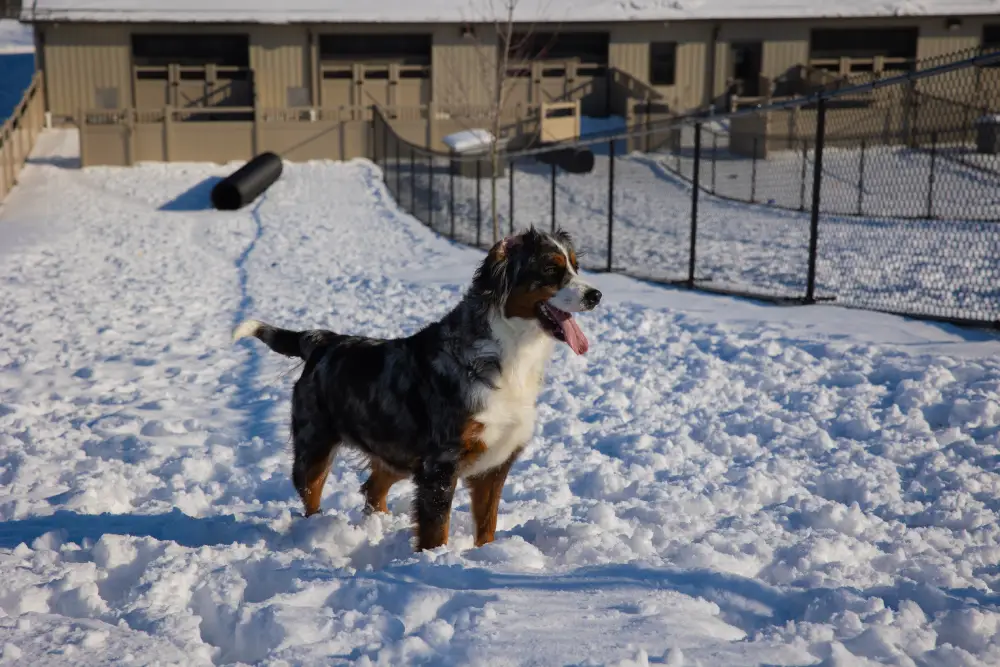
If you’re considering adding a Bernedoodle to your family, you might be wondering about their
shedding habits and whether they’re hypoallergenic. Bernedoodles, a hybrid breed of Bernese
Mountain Dog and Poodle, are known for their low-shedding coats and allergy-friendly qualities.
However, shedding and coat traits can vary depending on genetics, coat type, and grooming
practices. This guide explores everything you need to know about Bernedoodles and shedding to
help you determine if this breed is right for you.
Bernedoodle Coat Types and Shedding
The amount of shedding in Bernedoodles largely depends on their coat type, which is influenced
by their genetic makeup. There are three main coat types in Bernedoodles, and each has its own
shedding characteristics:
1. Curly Coat
- Description: Resembles the poodle’s coat with tight curls.
- Shedding: Minimal to non-shedding, making it ideal for allergy sufferers.
- Maintenance: Requires frequent brushing and grooming to prevent matting.
2. Wavy Coat
- Description: A mix of the poodle’s curls and the Bernese Mountain Dog’s straight coat.
- Shedding: Low shedding, but not entirely hypoallergenic.
- Maintenance: Easier to maintain than a curly coat, with regular brushing required.
3. Straight Coat
- Description: Resembles the Bernese Mountain Dog’s coat with a straighter appearance.
- Shedding: Moderate shedding, like a Bernese Mountain Dog.
- Maintenance: Regular brushing helps control shedding and keeps the coat healthy.
Understanding your Bernedoodle’s coat type is essential for managing shedding and planning
their grooming routine.
Are Bernedoodles Hypoallergenic?
While no dog is completely hypoallergenic, Bernedoodles are often considered a good choice for
allergy sufferers due to their low-shedding coats. Their hypoallergenic qualities depend on the
percentage of Poodle genetics they inherit:
- F1 Bernedoodles (50% Poodle, 50% Bernese Mountain Dog): Shedding and
hypoallergenic traits can vary, as this generation has a mix of both parent breeds. - F1B Bernedoodles (75% Poodle, 25% Bernese Mountain Dog): More likely to have
curly, non-shedding coats, making them a better option for allergy sufferers. - F2 and Multigenerational Bernedoodles: These generations are bred for consistent
hypoallergenic traits and minimal shedding.
If allergies are a concern, consult with the breeder to find a Bernedoodle with a coat type that
aligns with your needs.
Managing Shedding in Bernedoodles
While Bernedoodles are low-shedding, proper grooming and maintenance are essential to keep
their coats healthy and shedding under control. Here are some tips to manage shedding:
Regular Brushing
- Frequency: Brush curly coats daily, wavy coats 3-4 times a week, and straight coats 1-2
times a week. - Tools: Use a slicker brush for detangling and a comb for finishing.
- Benefits: Regular brushing removes loose hair, prevents tangles, and distributes natural
oils for a shiny coat.
Bathing
- Bathe your Bernedoodle every 4-6 weeks to keep their coat clean and free of debris.
- Use a high-quality dog shampoo designed for their coat type.
- Avoid overbathing, as it can dry out their skin and increase shedding.
Professional Grooming
- Schedule professional grooming sessions every 6-8 weeks.
- Groomers can trim your dog’s coat, remove mats, and address shedding more effectively.
- Regular grooming appointments are especially important for curly and wavy-coated
Bernedoodles.
Healthy Diet
- Provide a balanced diet rich in omega-3 and omega-6 fatty acids to promote healthy skin
and coat. - High-quality dog food with real meat and minimal fillers can help reduce shedding.
- Consult your veterinarian for specific dietary recommendations.
Hydration
- Ensure your Bernedoodle always has access to fresh water.
- Proper hydration helps maintain skin elasticity and reduces dryness, which can contribute
to shedding.
Seasonal Shedding
While Bernedoodles are low shedding, they may experience seasonal shedding during spring and
fall. This is a natural process as their coat adjusts to changing temperatures. Increased brushing
during these times can help manage shedding and keep your home clean.
Dealing With Shedding at Home
Even though Bernedoodles shed minimally, you may still find some hair around the house. Here
are tips for keeping your home tidy:
- Vacuum Regularly: Use a vacuum designed for pet hair to clean carpets, rugs, and
furniture. - Lint Rollers: Keep lint rollers handy for quick cleanups on clothing and upholstery.
- Wash Bedding: Wash your Bernedoodle’s bedding frequently to reduce hair buildup.
- Air Purifiers: Use an air purifier to reduce pet dander and hair in your home.
Choosing the Right Bernedoodle for Your Lifestyle
When deciding if a Bernedoodle is right for you, consider the following:
- Allergies: If you or a family member has allergies, look for an F1B or multigenerational
Bernedoodle with a curly, low-shedding coat. - Grooming Commitment: Be prepared to invest time and resources in regular grooming
to maintain their coat. - Coat Preference: Consider whether you prefer a curly, wavy, or straight coat and discuss
this with your breeder.
Conclusion
Bernedoodles are a fantastic choice for families and individuals seeking a low-shedding,
hypoallergenic companion. While their shedding levels depend on their coat type and genetics,
regular grooming and proper care can help minimize shedding and keep their coats healthy. If
you’re ready to welcome a Bernedoodle into your home, understanding their grooming needs and
shedding habits will ensure a happy and clean-living environment for both you and your furry
friend.