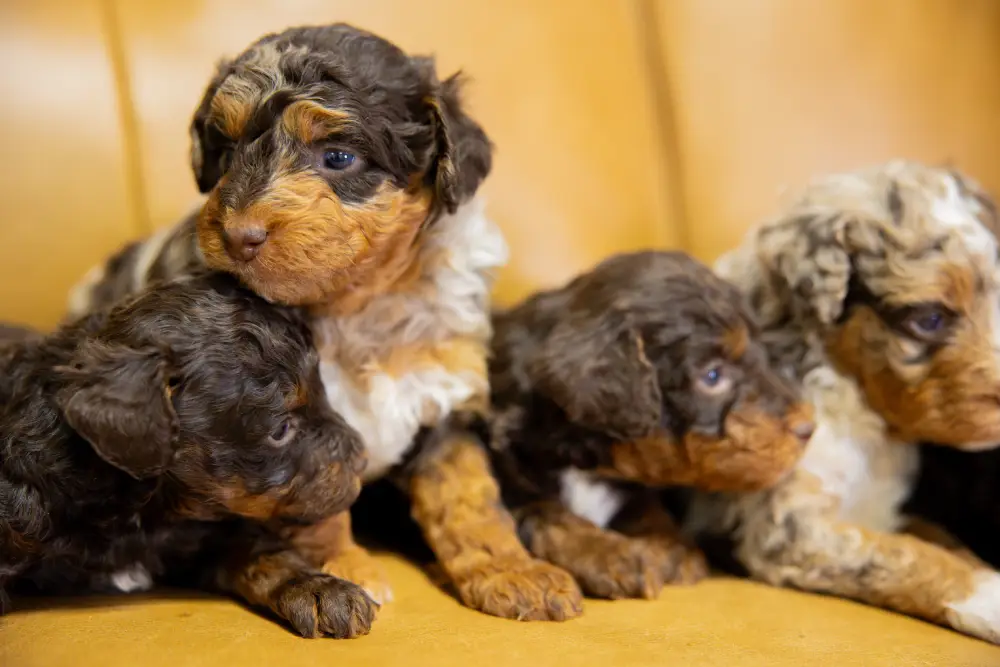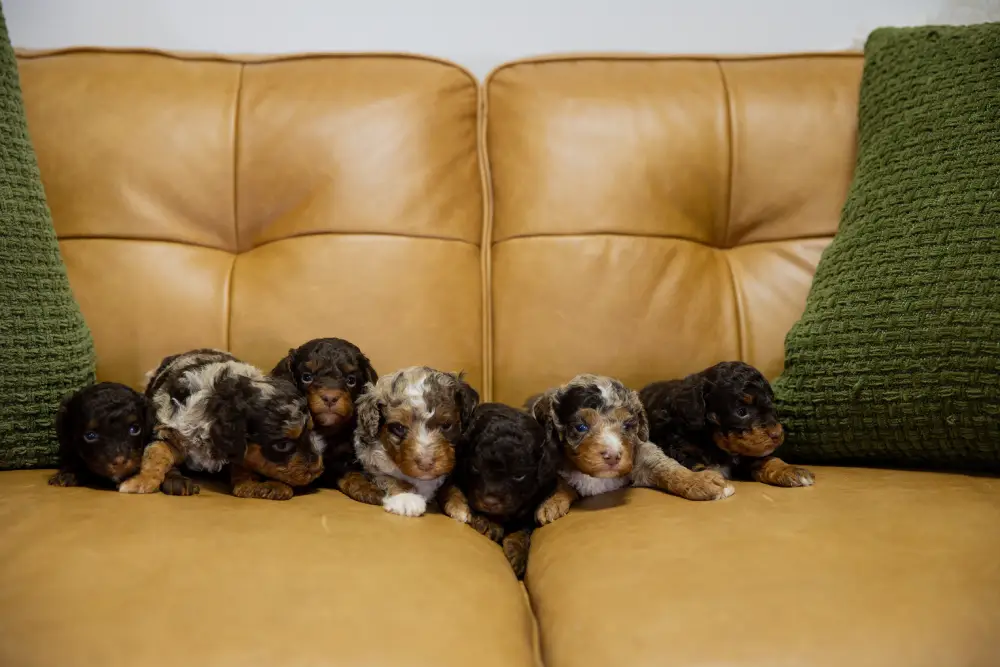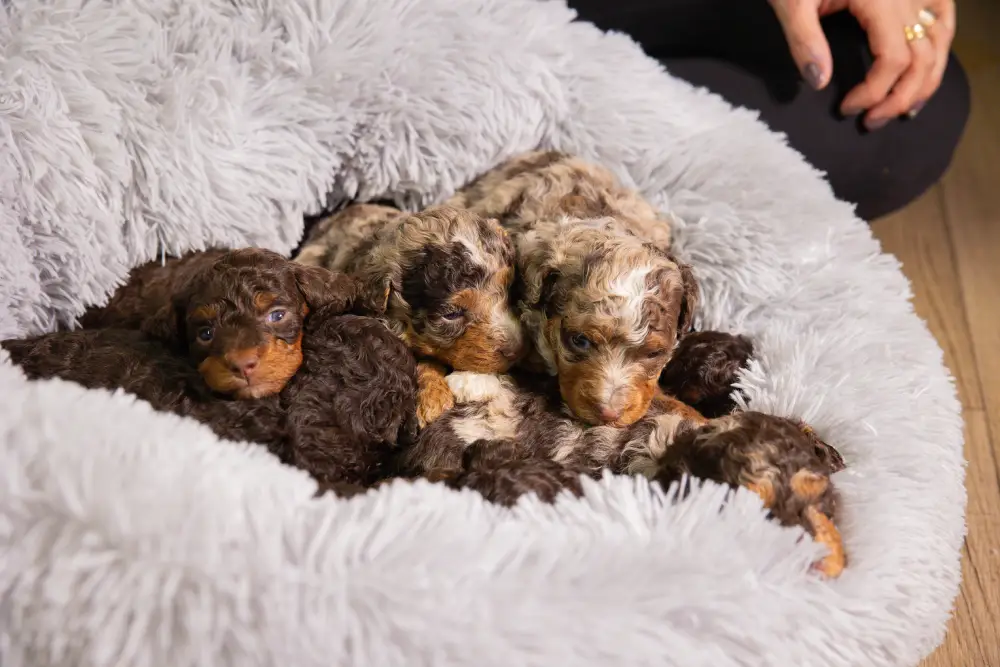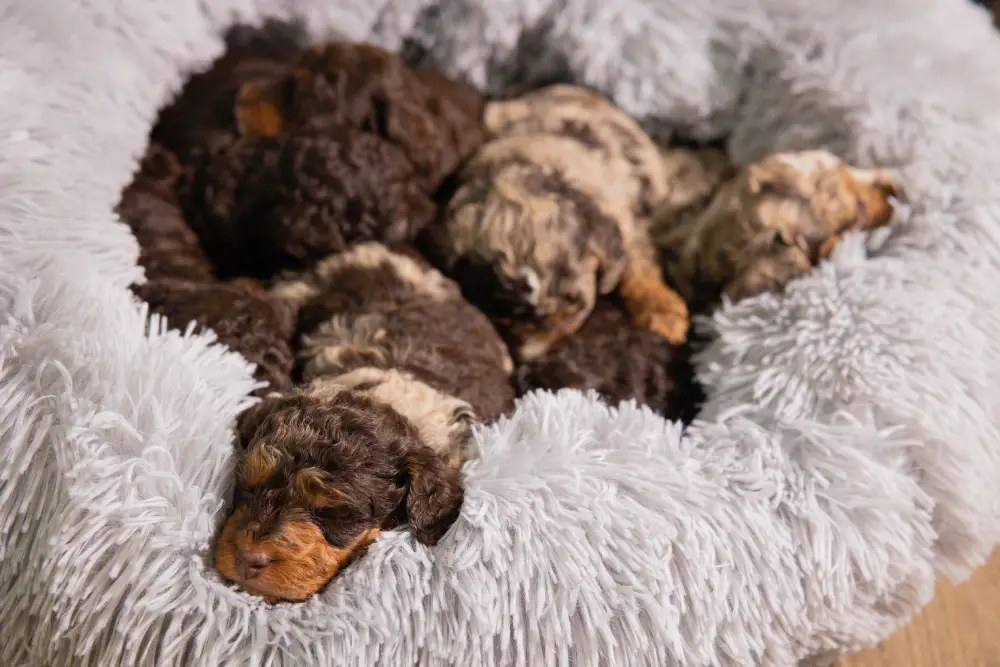
When choosing a new furry friend, allergy concerns often top the list for prospective pet owners.
If you’re considering a Bernedoodle, you might be wondering, “Are Bernedoodles
hypoallergenic?” While no dog is completely hypoallergenic, Bernedoodles are often celebrated
for their low-shedding, allergy-friendly coats. This guide will delve into what it means for a dog
to be hypoallergenic, explore the traits of Bernedoodles, and provide tips for managing allergies
What Does Hypoallergenic Mean?
A hypoallergenic dog is one that is less likely to trigger allergic reactions in sensitive individuals.
Dog allergies are typically caused by proteins found in a dog’s saliva, dander (dead skin flakes),
and urine. While all dogs produce these allergens, certain breeds produce fewer, or their coat
type helps contain dander, making them more suitable for allergy sufferers.
It’s important to note that “hypoallergenic” doesn’t mean allergy-proof. People with severe
allergies should spend time with a dog before bringing it home to ensure compatibility.
Why Are Bernedoodles Considered Hypoallergenic?
Bernedoodles are a cross between a Bernese Mountain Dog and a Poodle, and their
hypoallergenic traits come from their Poodle lineage. Poodles are known for their low-shedding,
curly coats, which trap dander and hair, reducing its spread throughout the home. Let’s explore
why Bernedoodles are often considered hypoallergenic:
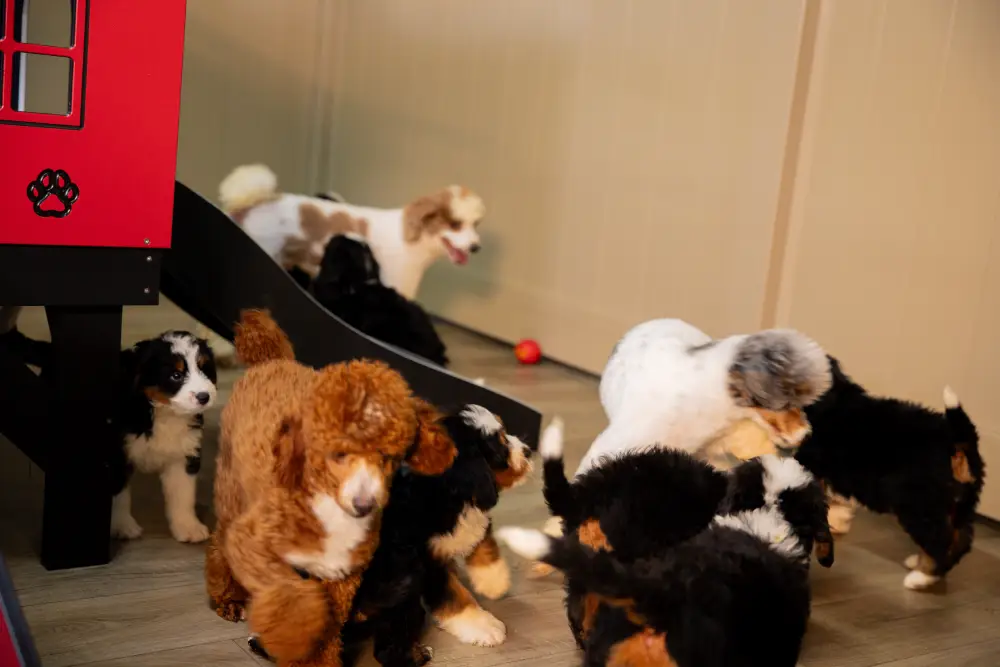
Coat Types
The coat type of a Bernedoodle plays a significant role in its hypoallergenic qualities. There are
three main coat types:
1. Curly Coat
- Most similar to the Poodle’s coat.
- Minimal shedding and excellent for allergy sufferers.
- Requires regular grooming to prevent mats and tangles.
2. Wavy Coat
- A mix of the Poodle’s curls and the Bernese Mountain Dog’s straighter coat.
- Low shedding and moderately hypoallergenic.
- Easier to maintain than a curly coat but still needs routine grooming.
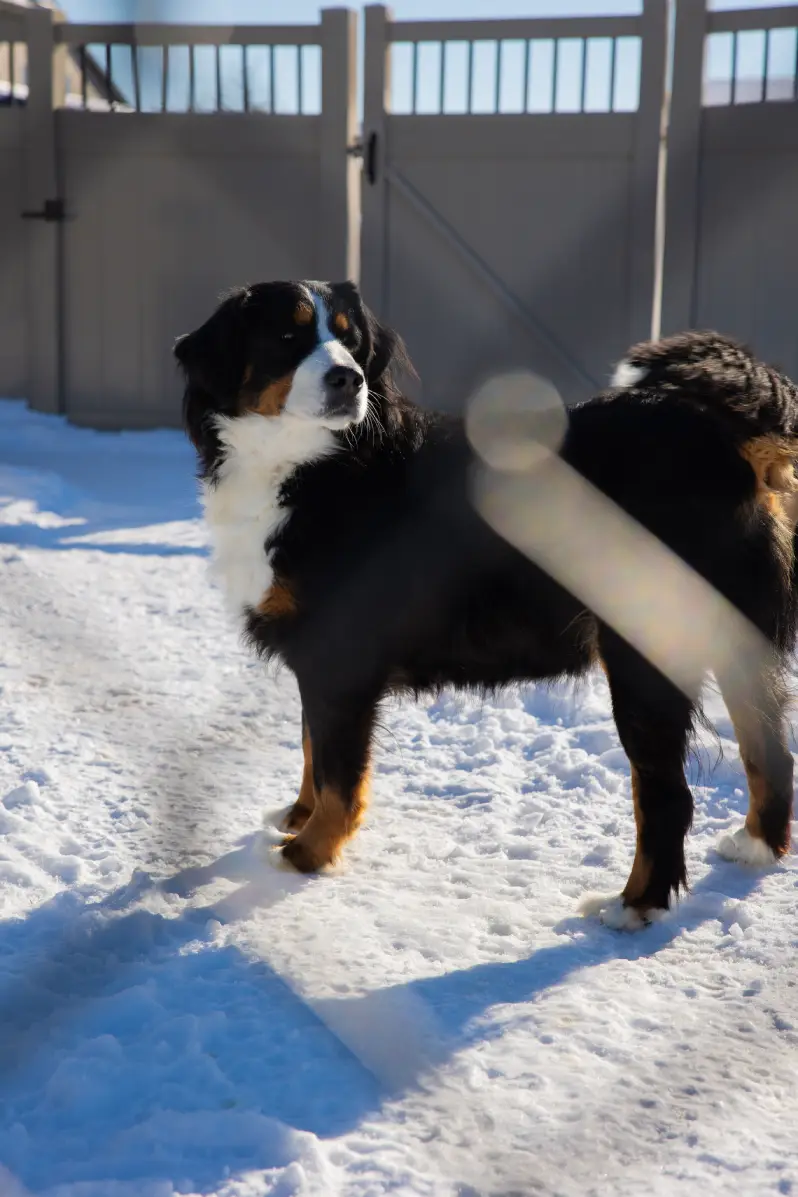
3. Straight Coat
- Resembles the Bernese Mountain Dog’s coat.
- Moderate shedding and less hypoallergenic.
- Not ideal for people with severe allergies.
Generational Influence
The generation of a Bernedoodle can also impact its hypoallergenic qualities:
- F1 Bernedoodles (50% Poodle, 50% Bernese Mountain Dog): Coat types can vary, and
hypoallergenic traits depend on which parent’s genetics are more dominant. - F1B Bernedoodles (75% Poodle, 25% Bernese Mountain Dog): More likely to have
curly, non-shedding coats, making them the best choice for allergy sufferers. - F2 and Multigenerational Bernedoodles: Often bred to enhance hypoallergenic
qualities and coat consistency.
Managing Allergies with a Bernedoodle
While Bernedoodles are a great choice for many allergy sufferers, proper care and hygiene can
further reduce allergens in your home. Here are some tips:
1. Regular Grooming
- Brush your Bernedoodle frequently to remove loose hair and dander.
- Schedule professional grooming every 6-8 weeks to maintain their coat.
- Bathing your dog every 4-6 weeks with a gentle, hypoallergenic shampoo can help
minimize dander.
2. Clean Your Home
- Vacuum carpets, rugs, and furniture regularly with a vacuum designed for pet hair and
dander. - Use air purifiers to reduce allergens in the air.
- Wash your dog’s bedding and toys frequently to remove trapped dander.
3. Create Allergy-Free Zones
- Designate certain areas of your home, such as bedrooms, as pet-free zones.
- Use allergen-proof covers on mattresses and pillows to prevent dander accumulation.
4. Personal Hygiene
- Wash your hands after petting your Bernedoodle.
- Avoid touching your face, especially your eyes, after handling your dog.
Are Bernedoodles Right for Allergy Sufferers?
While Bernedoodles are often recommended for individuals with mild to moderate allergies,
compatibility can vary based on the severity of your allergies and the dog’s coat type. Spending
time with a Bernedoodle before committing to ownership is the best way to determine if they’re
a good fit for your household.
The Role of Breeders in Hypoallergenic Traits
Reputable breeders play a crucial role in producing hypoallergenic Bernedoodles. Here’s what to
look for in a breeder:
- Health Testing: Ensure both parent breeds are tested for common health issues.
- Coat Predictability: Breeders should provide information about the coat type and
generational traits of their puppies. - Transparency: A good breeder will allow you to meet the puppy’s parents and spend
time with the litter.
Benefits of Bernedoodles Beyond Hypoallergenic Traits
Even if allergies aren’t a concern, Bernedoodles have many other qualities that make them a
great choice for families and individuals:
- Affectionate and Loyal: Bernedoodles form strong bonds with their families and are
incredibly loving. - Intelligent and Trainable: Thanks to their Poodle genes, Bernedoodles are highly
intelligent and eager to learn. - Adaptable: They come in various sizes (Standard, Mini, and Micro), making them
suitable for different living environments. - Great with Kids and Pets: Their friendly and patient nature makes them wonderful
companions for children and other animals.
Conclusion
While no dog is completely hypoallergenic, Bernedoodles are one of the best options for allergy
sufferers due to their low-shedding, dander-trapping coats. By understanding their coat types,
generational differences, and proper grooming techniques, you can minimize allergens and enjoy
life with a Bernedoodle. Whether you’re looking for a loyal companion or a family-friendly pet,
Bernedoodles offer the perfect blend of charm, intelligence, and hypoallergenic qualities.